
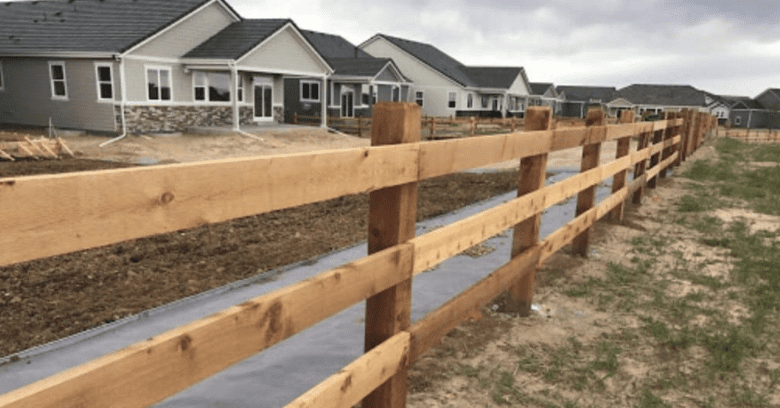
Shopping Around for Fencing Contractor around College Station Texas?
College Station Fencing explains what is built, how, and who handles each step for College Station Texas lots.
Call 979-553-6447 to talk through what you need built.
Sorting Out Who Is Responsible for Which Step
The word fence covers a lot more work than the finished product suggests: planning the run, handling the haul-away, and checking every gate before leaving, and unclear ownership of any step is where most disappointments begin. Write the answers down as you go, so that the comparison later rests on facts and not on impressions. Ask who handles the haul-away of old material, and it is a small detail that reveals a lot.
Property owners researching options for Fencing Contractor are really choosing who will be responsible for the whole sequence. Starting there also shows quickly who is used to explaining their work, and it takes attention more than time. Repeat the same questions every time, so that nobody gets an easier test than anyone else.
Reading a Fence Proposal Line by Line
Nothing should rest on what was said in the driveway: the starting point, the corners, and how the line meets any slope, so that both sides are picturing the same fence. Read for what is absent as well as what is there, such as gate hardware, post depth, and what happens to the old fence.
It is easy to compare proposals that are not really comparable: check the grade of lumber or the gauge of the metal, and whether posts are set in concrete, because that is where shortcuts tend to live. Never be shy about asking what a term means, and it keeps both sides on the same page. Pay attention to how each proposal treats the gates, and sagging gates are the complaint heard most often.
Real Fences Tell the Truth
The most useful evidence of how a fence will age is a fence that has already aged: check whether the line is still straight and the posts still plumb, and notice the condition of the corners, which carry the most strain. Gates are the first thing to give out, since a hinge that sags is the first sign of a footing problem.
When the search is for Fencing Contractor around College Station Texas, choose an example of the same height and style if one is available. A provider can be excellent at one kind of fence and ordinary at another, and a direct question settles it quickly. A short tour of completed fences is worth the trouble, because every provider has a good day and an ordinary day.
Local Conditions the Provider Should Already Know
Expansive clay, hard summer sun, and sudden storms shape how a fence should be built here: strong wind pushes on solid panels like a sail, and the right questions bring out whether a provider has planned for those conditions. The most convincing explanations are about the ground and not about the brochure, and the details are worth writing into the scope. Find out how surprises underground are handled, and that is usually a sign of real field knowledge.
Ask how a gate is braced so it does not sag after the first wet season: the details in the answer matter more than how smooth it sounds, and any plan can be written down if the provider really has one. Local requirements are part of the job too, and the owner usually has to be involved in the approval.
Matching the Provider to the Kind of Fence
Some fences are straightforward, and others are close to separate trades: ranch and farm fencing depends on stretched wire, braced corners, and gates for animals and equipment, and the right question is simply how often they do that kind of work. Be specific about the project when you talk, and it helps the provider recommend the right approach. Say what the fence is protecting, and a provider who asks first is a good sign.
Searches like this often cover a long list of needs: questions coming back at you are a good sign. Gather the facts that affect the work, and the more you know, the more precise the answers will be.
Who Shows Up, When, and What You Hear Along the Way
Planning a fence means planning around utilities, materials, and weather: rain delays digging and concrete, and wind delays panel work, and any change to the plan should be confirmed in writing. Flexibility is part of a fence project, because locates and materials do not always arrive on time. Make sure someone owns the utility locate, and it is a basic safety step that belongs at the start.
Response style is part of the evidence: straight talk about the unknowns is reassuring, while evasive answers deserve a second look. Notice whether the provider asks about your goals, and it is a much better start than a quick pitch.
What Happens After the Last Post Is Set
Every new fence needs a little follow-up: rust spots on metal should be touched up before they spread, and a provider who stays reachable after the job is a provider worth keeping. A follow-up walk takes little time and tells you plenty, and make a short list of anything that needs adjusting.
Severe weather finds the weak points of a fence quickly: find out whether the provider handles repair work as well as new construction, and it tells you something about how the provider views the work. Think through the plan before the weather forces it, by tightening loose boards and checking the gates. Ask whether emergency repairs are part of the work, and a temporary fix is sometimes the first step.
Bring Your Questions and Your Property Line
A good provider makes the whole job easier to understand: the right fence type, the right skills, and a clear schedule, and it is worth applying to every option. The approach carries from one project to the next, and they get easier with practice.
When you want a plain discussion of Fencing Contractor across College Station Texas, reach us at 979-553-6447 and start with the list you have. Mention anything worth knowing about the ground or the neighbors, and we will take it from there. Slow and thorough serves a fence buyer well, and the right provider will welcome the scrutiny.